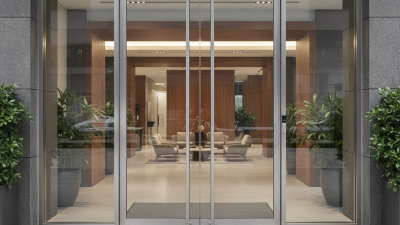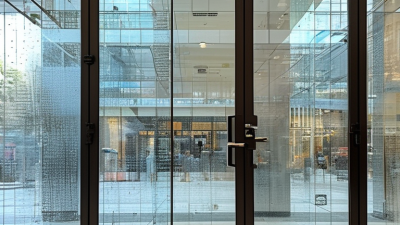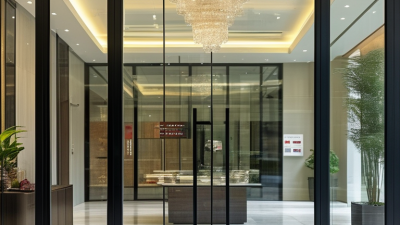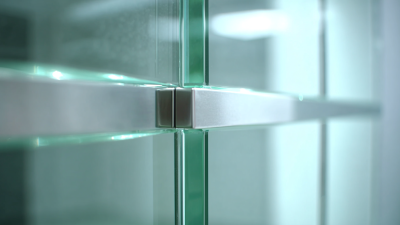
Choosing among the top metal and glass doors suppliers worldwide requires more than comparing prices or polished websites. Reliable sourcing begins with practical evidence, including project history, manufacturing capacity, material traceability, and documented quality controls. A supplier should explain where its stainless steel, aluminum, glass, seals, and hardware come from.
Real performance appears in details. Consider thermal breaks in aluminum frames, laminated safety glass, accurate door alignment, and drainage around exterior thresholds. Ask whether factory testing covers air leakage, water resistance, wind pressure, corrosion, and repeated opening cycles. These checks matter in hotels, offices, retail entrances, and high-rise developments.
Details reveal quality.
This guide examines manufacturers and distributors that serve international markets. It considers product range, customization, lead times, technical support, packaging, installation guidance, and after-sales service. Experience matters, but it should be supported by verifiable references and clear specifications. A supplier with impressive photographs may still struggle with drawings, replacement parts, or inconsistent finishes.
No ranking is perfect. Regional standards, climate, budgets, and architectural requirements can change the result. A coastal project may need stronger corrosion protection, while a cold climate demands better thermal performance. Buyers should also confirm compliance with applicable building and safety requirements in the destination country. The best metal and glass doors supplier is not always the largest. It is the partner that communicates precisely, identifies limitations honestly, and delivers consistent quality from sample approval to final installation.
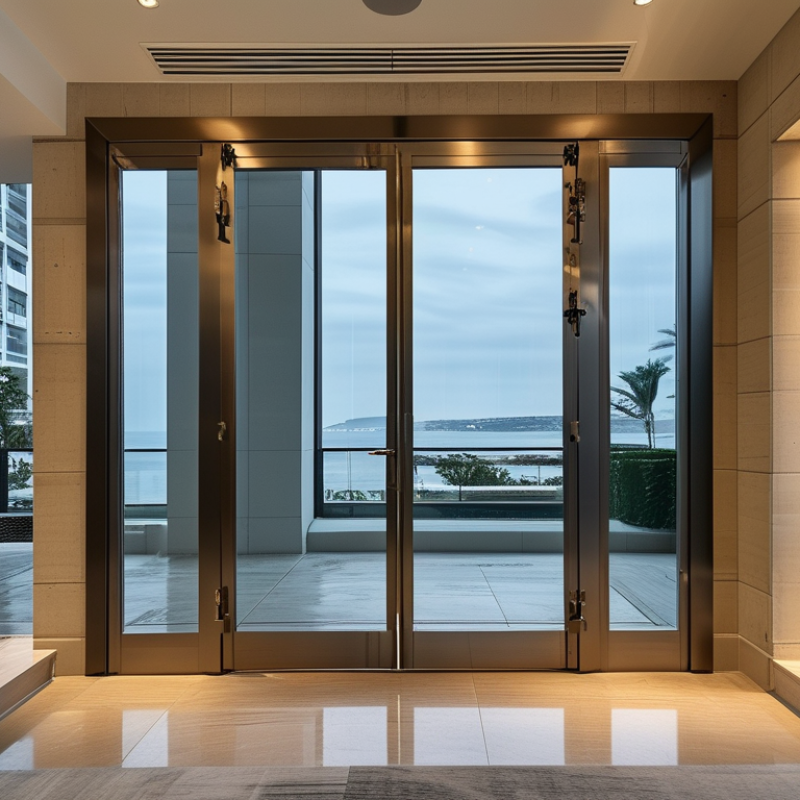
Metal and glass door suppliers are not limited to factories producing finished door leaves. The category includes metal fabricators, architectural glass processors, hardware providers, distributors, installers, and system integrators. Some companies manufacture complete assemblies, while others supply frames, hinges, closers, locks, or insulated glass panels. The boundary is not perfectly clean.
A reliable supplier should demonstrate material traceability, tested performance, and documented installation experience. Relevant criteria include steel or aluminum grade, glass composition, thermal transmittance, acoustic ratings, fire resistance, wind-load capacity, and corrosion protection. The 2023 Global Status Report for Buildings and Construction, published by the United Nations Environment Programme, states that buildings consume about 30% of global final energy. This makes door specification part of broader energy planning, not merely an appearance decision.
The scope also covers project support, from drawings and shop details to delivery and site adjustment. According to the International Energy Agency, building-sector efficiency improvements remain essential for reducing energy demand, which increases interest in better-sealed frames and low-emissivity glazing. Yet performance claims can be difficult to compare. Test standards, climate conditions, and installation quality vary. A supplier may report excellent laboratory results, but a poorly aligned door can still leak air or water. Buyers should examine independent test reports, warranty terms, production capacity, and local service coverage before comparing global suppliers. Supplier lists need careful review.
Top Metal and Glass Doors Suppliers Worldwide?
Material selection shapes durability, safety, and energy performance. UNEP and GlobalABC reported that buildings consumed 34% of global energy in 2022. They also produced 37% of energy-related emissions. Door systems deserve serious attention.
Aluminum offers low weight and strong corrosion resistance. Steel provides higher impact strength, but needs reliable protective coatings. Stainless steel suits humid or coastal projects. For glazing, laminated glass helps retain fragments after breakage. Tempered glass improves thermal-shock resistance, but it can still fail under severe edge damage.
Standards matter more than polished brochures. EN 14351-1 supports performance assessment for external pedestrian doors. ASTM E283 measures air leakage. ASTM E330 evaluates structural performance under pressure. ASTM E331 tests water penetration. For glass, EN 12150 covers thermally toughened glass, while EN 14449 covers laminated glass. These references do not guarantee good installation. Site workmanship remains a weak point.
Tips: Request full test reports, not only certificates. Check frame thickness, coating class, gasket material, and glass interlayer. Confirm U-value calculations under ISO 10077. Ask whether testing used the complete door assembly. A perfect laboratory result can disappoint on site. Suppliers should disclose tolerances, drainage paths, hardware ratings, and maintenance intervals. Procurement teams should compare equal test conditions, because “high performance” can mean different things across markets.
Representative material densities commonly considered in metal-framed and glass door design
Material density affects door weight, frame sizing, hardware selection, transport requirements, and installation. Typical reference values are approximately 2,700 kg/m³ for aluminum, 2,500 kg/m³ for soda-lime glass, 7,850 kg/m³ for carbon steel, and 8,000 kg/m³ for stainless steel.
Common international references for door manufacturing and testing include EN 14351-1 for external pedestrian doorsets and windows, ASTM E283 for air leakage, ASTM E330 for structural performance, ASTM E547 for water penetration, and ISO 12543 for laminated glass.
Top Metal and Glass Doors Suppliers Worldwide?
Supplier strength varies by region and market segment. Europe remains influential in architectural systems, especially slim steel frames and thermally efficient glass doors. North America serves large commercial projects, residential renovations, and custom entrances. East Asia offers broad manufacturing capacity, flexible specifications, and competitive production schedules. The Middle East focuses on premium villas, hospitality spaces, and oversized glazed openings.
Commercial buyers usually prioritize tested performance, project documentation, and reliable installation support. Residential customers often compare appearance, insulation, security hardware, and maintenance needs. Industrial projects may require stronger frames, impact resistance, or controlled access integration. From sourcing experience, regional advantages are rarely absolute. A lower factory price can lose value through shipping delays, unsuitable profiles, or repeated design changes. That part is often underestimated.
Tips: Ask for section drawings, glass specifications, coating details, and hardware schedules before comparing prices. Confirm thermal and acoustic values under recognized testing methods. Request recent project references from the same segment, not unrelated installations. Check packing standards and replacement procedures. A sample corner can reveal more than polished photographs. Leave room for mistakes; early measurements are not always perfect. Review local installation conditions with an independent specialist before placing a large order.
| Major Supplier Region | Typical Metal and Glass Door Offerings | Primary Market Segments | Common Material Strengths | Main Export and Demand Characteristics | Common Compliance Considerations |
|---|---|---|---|---|---|
| East Asia | Aluminum-framed glass doors, stainless-steel entrance systems, sliding doors, folding doors, and custom curtain-wall entrances. | High-rise construction, commercial buildings, hotels, retail premises, residential developments, and transportation facilities. | Aluminum profiles, tempered glass, laminated safety glass, stainless steel, and powder-coated finishes. | Broad product variety, high-volume manufacturing capability, and strong suitability for project-based and private-label supply. | Safety glazing, wind-load performance, thermal insulation, corrosion resistance, fire performance, and destination-market building codes. |
| South Asia | Steel security doors, aluminum-framed doors, frameless glass doors, office partitions, and manually operated entrance systems. | Residential construction, offices, hotels, hospitals, educational buildings, retail, and institutional projects. | Mild steel, stainless steel, aluminum, toughened glass, laminated glass, and decorative metal finishes. | Strong demand from urban development and construction projects; products are commonly adapted to local specifications and climatic conditions. | Structural strength, security performance, glazing safety, moisture protection, fire ratings, and local construction regulations. |
| Southeast Asia | Aluminum sliding doors, bi-fold systems, glass shopfronts, stainless-steel doors, and weather-resistant entrance assemblies. | Residential towers, resorts, hospitality, shopping centers, offices, industrial parks, and mixed-use developments. | Marine-grade stainless steel, corrosion-resistant aluminum, tempered glass, laminated glass, and insulated glazing. | Regional demand is influenced by humid, coastal climates and rapid construction growth; weather resistance is a major purchasing criterion. | Water penetration, air leakage, resistance to humidity and salt exposure, solar control, safety glazing, and local wind requirements. |
| Europe | Thermally broken aluminum doors, steel fire doors, acoustic glass doors, energy-efficient entrance systems, and heritage-style metal doors. | Commercial buildings, public infrastructure, energy-efficient renovation, healthcare, education, hospitality, and premium residential projects. | Thermally insulated aluminum, galvanized or stainless steel, low-emissivity glass, laminated glass, and high-performance seals. | Demand is strongly shaped by energy-efficiency targets, renovation programs, fire-safety requirements, and sustainability specifications. | CE-marking requirements where applicable, EN 14351-1 for external pedestrian doors, EN 16034 for fire and smoke characteristics, thermal performance, and accessibility. |
| North America | Commercial storefront doors, aluminum entrance systems, hollow-metal doors, security doors, automatic entrance assemblies, and impact-resistant glass doors. | Office buildings, retail, healthcare, education, government facilities, multifamily housing, industrial buildings, and public infrastructure. | Aluminum, galvanized steel, stainless steel, insulated glass units, laminated safety glass, and impact-rated glazing. | Purchasing is project- and specification-driven, with strong emphasis on tested assemblies, durability, accessibility, and regional weather performance. | ASTM and AAMA/WDMA/CSA-based specifications, building-code requirements, accessibility, fire ratings, hurricane or impact resistance, and energy performance. |
| Middle East | Large-format aluminum glass entrances, stainless-steel doors, luxury hotel doors, automatic sliding doors, and fire-rated metal door assemblies. | Commercial towers, airports, hotels, shopping centers, hospitals, government buildings, and large residential developments. | Powder-coated or anodized aluminum, stainless steel, solar-control glass, laminated glass, and high-performance insulating glass. | Large construction projects favor customized sizes, premium finishes, solar-control performance, and coordinated architectural packages. | Solar heat gain, thermal insulation, dust and air infiltration, fire safety, wind loading, corrosion resistance, and project-specific civil-defense requirements. |
| Latin America | Aluminum sliding doors, steel security doors, glass storefronts, balcony doors, and standard commercial entrance systems. | Residential buildings, retail, offices, hotels, healthcare, education, and light industrial facilities. | Aluminum, painted or galvanized steel, tempered glass, laminated glass, and locally sourced hardware components. | Demand varies by country and is influenced by housing construction, commercial development, security needs, and import logistics. | Safety glazing, corrosion protection, security classification, fire resistance, local wind loads, and national building standards. |
| Oceania | Aluminum residential doors, thermally improved sliding systems, commercial glass doors, fire doors, and coastal-grade entrance assemblies. | Residential construction, apartments, retail, offices, schools, healthcare, hospitality, and coastal developments. | Powder-coated aluminum, stainless steel, laminated safety glass, insulated glazing, and corrosion-resistant hardware. | Products are selected for strong weather performance, coastal durability, energy efficiency, and compliance with national construction codes. | Australian or New Zealand building-code requirements, wind pressure, water penetration, energy efficiency, safety glazing, and bushfire or cyclone provisions where relevant. |
| Africa | Steel security doors, aluminum-framed doors, commercial glass entrances, burglar-resistant doors, and basic fire-rated assemblies. | Residential developments, retail, offices, hotels, schools, hospitals, industrial facilities, and public-sector construction. | Steel, aluminum, stainless steel, tempered glass, laminated glass, and protective coatings for demanding climates. | Market requirements differ considerably by country; security, durability, availability of replacement parts, and total installed cost are important factors. | Security performance, fire resistance, corrosion protection, solar exposure, local building codes, and project-specific testing requirements. |
Choosing global metal and glass door suppliers requires more than comparing catalog photos and quoted prices. Start with documented experience in similar climates, building types, and project scales. Ask for factory audit records, quality certificates, test reports, and completed project references. ISO 9001 certification is useful, but it does not prove every product will perform well.
Energy performance deserves close attention. The United Nations Environment Programme reported in its 2023 Global Status Report that buildings consume about 34% of global energy and create roughly 37% of energy-related emissions. Door manufacturers should therefore provide verified U-values, air-leakage results, solar-control data, and thermal-break details. The U.S. Department of Energy also notes that windows and doors can represent 25% to 30% of residential heating and cooling energy use. Small specification differences matter.
Check the glass standard, impact resistance, hardware cycle testing, drainage design, and corrosion protection. Confirm whether testing applies to the complete door assembly, not only separate components. Review lead times, replacement-part support, packaging quality, and installation training. A low factory price can become expensive after shipping damage or unclear warranty terms. I have found that supplier scorecards improve decisions, though they can still miss communication problems. Ask technical questions in writing. Compare the answers, not just the brochures. No scorecard is perfect.
Selecting metal and glass door suppliers worldwide requires more than comparing catalog prices. Procurement teams should request tested assemblies, material traceability, finish samples, and written tolerances. Ask who controls glass sourcing, hardware substitutions, and protective packaging. A low quotation can become expensive when a 2-millimeter frame deviation delays installation. It happens. Supplier audits should examine factory quality records, welding procedures, inspection photos, and corrective-action history. These details reveal operational experience better than polished brochures.
Compliance must match the project location, occupancy, and door function. Fire-rated assemblies may require testing under NFPA 80 in North America or EN 16034 in Europe. Air, water, and structural performance should reference applicable ASTM or EN test methods. Request complete test reports, not certificates alone. Certificates can hide scope limits. Accessibility, safety glazing, thermal performance, and emergency egress also need local review.
UNEP’s 2024 Global Status Report reports that buildings and construction represented 32% of global energy use and 34% of global carbon emissions in 2023. Therefore, thermal breaks, low-emissivity glass, and verified U-values deserve procurement attention.
Installation quality can defeat excellent manufacturing. Confirm opening dimensions, substrate conditions, drainage paths, lifting access, and weather protection before shipment. Require method statements, anchor schedules, adjustment allowances, and trained installers. The World Green Building Trends 2021 report found 69% of respondents expected green building activity to increase within three years. That expectation raises scrutiny on documented performance, not marketing language. Still, imported systems may face uncertain lead times and replacement-part gaps. Build a spare-hardware plan. Recheck every assumption.